Does natural wine need special care once it’s open? And does less added sulphur mean you have to finish the bottle that night?
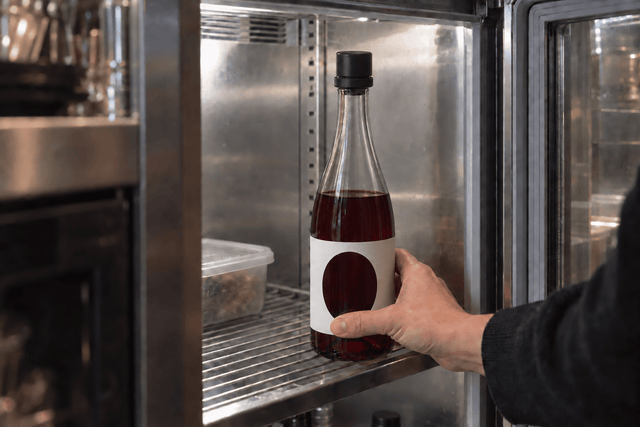
Not necessarily. The basics are the same: seal it, keep it upright and refrigerate it—even red wine. How long it stays enjoyable depends on the wine, how much is left and how it’s stored. Here’s what to do with that unfinished bottle.
Hong Kong’s warm room temperatures make refrigeration especially useful once a bottle is open. Some natural wines taste even better the next day; others lose their freshness or fizz sooner. Use the timings below as a guide, and check how your wine smells and tastes each time you pour.
The quick answer: how long does opened wine last?
Treat these as useful ranges rather than expiry dates. Acidity, tannin, sweetness, alcohol, winemaking and the amount left in the bottle all make a difference.
| Wine style | Usually at its best for | How to store it |
|---|---|---|
| Pét-nat and other sparkling wine | 1–2 days | Use a sparkling-wine stopper and refrigerate |
| Light white wine and rosé | 3–5 days | Re-cork and refrigerate upright |
| Rich or textured white wine | 2–4 days | Re-cork and refrigerate upright |
| Orange wine | 3–5 days | Re-cork and refrigerate upright |
| Light or chillable red wine | 2–4 days | Re-cork and refrigerate upright |
| Fuller or more tannic red wine | 3–5 days | Re-cork and refrigerate upright |
A bright, high-acid orange wine may become even more expressive on day two. A delicate pét-nat may lose most of its sparkle overnight. The table is a guide; your nose and palate have the final say.
Why does wine change after opening?
Opening a bottle introduces oxygen. At first, that can be helpful: aromas open up, tannins soften and a shy wine may become more expressive.
Given too much time, though, freshness begins to fade. Fruit can become dull, the colour may shift and eventually the wine may smell bruised, sour or vinegary.
The more empty space there is in the bottle, the more oxygen sits above the wine. That is why a bottle with only one glass left usually changes faster than one that is still three-quarters full. Heat speeds everything up, too—especially beside a sunny Hong Kong kitchen window.

Does natural wine go bad faster after opening?
Not automatically.
Natural wine is generally made from responsibly farmed grapes, fermented with native yeast and produced with fewer additions or processing steps. Some bottles contain little or no added sulphur, so they may change more noticeably after being exposed to air. But “natural” does not mean unstable, and it does not mean every bottle must be finished on the same night.
A well-made natural wine with lively acidity and sound fruit can remain delicious for several days. Some textured whites and orange wines even gain complexity overnight. Very delicate or lightly sparkling bottles are better revisited sooner.
If you are new to the category, read our guide to what natural wine actually means.
Five simple ways to keep an opened bottle fresh
1. Close it as soon as you finish pouring
Put the original cork back in, tighten the screw cap or use a clean stopper. The aim is to limit fresh air entering the bottle between glasses.
For pét-nat and sparkling wine, use a proper pressure-safe sparkling stopper. A normal cork may not hold, while a vacuum pump can remove the bubbles you are trying to save.
2. Put every style in the fridge—including red wine
Cold temperatures slow the reactions that make wine fade. This applies to red wine too.
Take the red out around 15–30 minutes before your next glass and let it warm gently. For serving tips, see our Hong Kong guide to chilling red wine.
3. Keep the bottle upright
An opened bottle should stand upright. This leaves a smaller surface of wine in contact with the air inside the bottle than laying it on its side.
4. Move the last glass or two into a smaller bottle
If only a little wine remains, pour it into a clean half-bottle or small screw-cap bottle. Less empty space means less oxygen around the wine—a simple, inexpensive trick that also gives an old bottle another use.
5. Use the right tool
A vacuum stopper can help still wine last longer, especially when more than half the bottle is gone, but the bottle should still go into the fridge. Use a sparkling stopper for pét-nat. An inert-gas system offers stronger protection for a special bottle you plan to enjoy slowly, though most everyday wines do not need one.

How can you tell when wine is past its best?
Look, smell and taste.
- The colour has shifted: white wine may look darker or brown; red wine may lose brightness and turn brick-coloured.
- The fruit has disappeared: a once-vibrant wine smells flat, tired or like bruised apple.
- A sharp sour smell takes over: vinegar or nail-polish-like aromas dominate.
- The taste is dull or unpleasant: little fruit or freshness remains.
Cloudiness alone does not mean a natural wine has gone bad. Many unfiltered wines are hazy from the day they are bottled, and harmless sediment is common. A pét-nat losing its fizz may simply have become less lively. If it still smells clean and tastes good, it is still worth drinking.
Can you cook with leftover wine?
Yes—if it has lost some freshness but still smells and tastes acceptable. Add it to a tomato sauce, risotto, stew or pan sauce, or freeze it in an ice-cube tray for future cooking.
Cooking will not rescue wine that smells strongly of vinegar, mould or anything you would not want in your food. A useful rule: if you would not taste a small sip, do not add it to dinner.
Which wines often show well on day two?
Wines with lively acidity, tannin or texture often hold their shape well. Orange wines, structured whites and fuller reds can open beautifully overnight when stored correctly.
Very light reds are loved for their bright fruit, so revisit them sooner. Pét-nat is usually the most time-sensitive because its bubbles begin escaping as soon as the bottle opens.
Compare the styles in our orange wine, Pét-Nat and sparkling, white wine and red wine collections.
The short answer
Most opened still wine is worth revisiting over the next two to five days. Sparkling wine is generally best within one to two days. Natural wine has no universal countdown: some bottles are delicate, while others become more interesting overnight.
In Hong Kong, keep the routine simple:
- Seal the bottle.
- Store it upright in the fridge.
- Taste it again tomorrow.
Wine is made to be enjoyed, not rushed. Looking after what remains gives the bottle another evening—and keeps good wine from becoming unnecessary waste.
Ready for your next bottle? Explore all natural wines, or let one of our existing Wine Packs do the choosing for you.
Frequently asked questions
Does red wine need to be refrigerated after opening?
Yes. Re-cork it and keep it upright in the fridge. Take it out around 15–30 minutes before your next glass so it can warm gently.
Can I drink wine seven days after opening?
Possibly, but many still wines will have lost much of their freshness. Smell and taste a small amount. If the fruit has gone or the wine tastes sharply sour or unpleasant, let it go.
How long does natural wine last after opening?
Many natural wines remain enjoyable for roughly two to five days when sealed and refrigerated, but there is no fixed rule. Style, acidity, tannin, sulphur level and the amount left in the bottle all matter.
How long does orange wine last after opening?
Often around three to five days in the fridge. Skin contact gives orange wine tannin and structure, so some bottles are even more expressive on the second day.
How long does pét-nat last after opening?
Usually one to two days when refrigerated with a proper sparkling-wine stopper. It may still be drinkable after that, but its bubbles and freshness will fade.
Is cloudy wine spoiled?
Not necessarily. Unfiltered natural wine and pét-nat can be intentionally cloudy or contain harmless sediment. Judge the bottle by its aroma and taste, not clarity alone.