Updated 17 September 2026
See “natural wine” on a menu and picture a cloudy glass, something sharply sour, or a wonderfully strange label? Your first bottle can be much more familiar than that. You don't need to finish a winemaking textbook before choosing one.
What is natural wine?
Natural wine generally means wine from organically or biodynamically farmed grapes, fermented with naturally occurring yeast and made with few additions or treatments; the precise standards vary between organisations. France's Vin Méthode Nature, for example, has specific requirements for grapes, fermentation and production. Not every natural wine carries its label.
Think of “natural” as an approach to making wine, rather than a flavour. The useful questions are who grew the grapes, how the wine was made, and whether you enjoy what's in the glass.
Does natural wine always taste funky?
Natural wine doesn't have to taste funky; our advice is to start with a style you enjoy, then compare the descriptions in our white, red or orange wine collections.
Fresh, fruity and not too heavy? Absolutely possible. Curious about tea-like texture, savoury flavours or something unfamiliar? There are plenty of directions to explore. You don't have to enjoy every wild bottle to enjoy natural wine.
Nor is “natural” an excuse for an unpleasant glass. If a bottle tastes very different from its description, or you think something is wrong, ask your merchant. You don't need to pretend to like it.

How is natural wine made?
Natural winemaking commonly combines low-input farming, spontaneous fermentation and restrained additions or processing; Vin Méthode Nature's requirements offer one concrete example, while individual growers' methods still need checking.
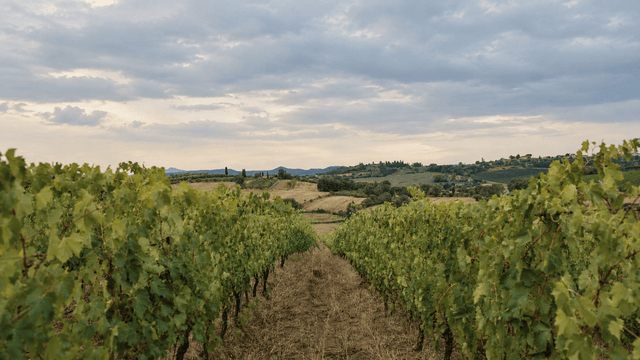
Start with the grapes. How a grower manages soil, disease and harvest tells you more than a leafy label. Organic certification offers independent verification. Without it, ask for clear information about the actual farming.
Then fermentation. Letting native yeast ferment the juice doesn't mean walking away. Winemakers still choose when to pick, how long to leave juice with skins and when to press. They watch the wine as it develops. Fewer interventions still require skill.
Finally, additions. Some wines have no added sulphites; others receive a small protective amount. No added sulphites doesn't mean none are present, because fermentation can produce them naturally, as ASCIA explains.
For us, understanding why a winemaker made a decision is more interesting than treating “zero additions” as the only thing that matters.

Are natural, organic and orange wine the same thing?
Natural describes a winemaking approach, organic relates to regulated production standards, and orange describes a style, so one bottle can fit more than one description. EU organic rules cover farming and winemaking; they do not prohibit every addition.
Biodynamic certification adds another set of requirements. Demeter's standards, for example, cover farming and processing. You don't need to memorise them all. Just remember these aren't mutually exclusive camps.
Orange wine is made from white grapes with skin contact, not from oranges; see the OIV definition of white wine with maceration. It may be made with a low-intervention approach, but its colour alone doesn't tell you that.

Why are some natural wines cloudy or full of sediment?
Cloudiness or sediment can involve suspended material, yeast or crystals; appearance alone cannot establish whether a wine is natural or whether something is wrong. The Australian Wine Research Institute describes several kinds of hazes and deposits with different causes.
For a clearer pour, stand the bottle upright first and pour gently. Whether to mix sediment back in depends on the particular wine. Follow its instructions, and don't shake a sparkling bottle as though it were juice.

Is natural wine healthier?
The word “natural” doesn't establish that a wine is healthier, and alcohol-related risks remain; WHO identifies drinking amount, pattern and individual circumstances as relevant factors.
Choose it for flavour, farming or the people behind it, rather than a promise about tomorrow morning. Our guide to natural wine and health takes a closer look at headaches, sulphites and hangovers.

How should you store natural wine in Hong Kong?
We recommend keeping natural wine cool, away from light and at a stable temperature; a hot Hong Kong room isn't a wine cellar. For serving, our chilled-red guide explains why room temperature isn't always the right target.
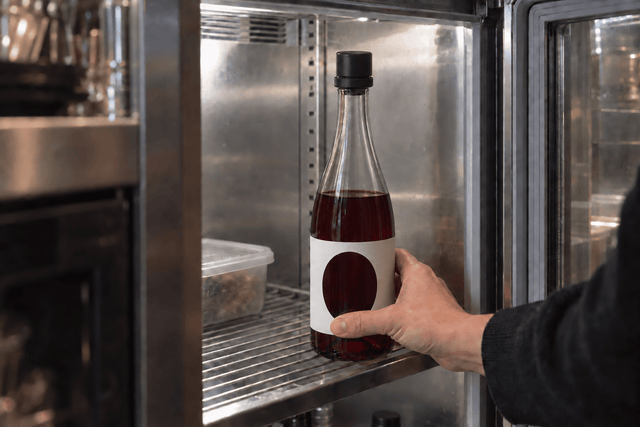
Don't leave bottles in a hot car on the way home. Once opened, reseal and refrigerate leftovers, including red wine, then check how they taste when you return to them. Bottles don't all keep for the same length of time. If you're buying for a much later occasion, ask whether that wine suits longer storage.

How do you choose your first bottle?
Our advice is to start with the flavours you like, what's for dinner and your budget; our wines under HK$300 offer a straightforward place to compare options.
Steamed fish or seafood, and something refreshing in your glass? Start with white wine. Taking a light red to a friend's dinner? Look at fruit character and body. Curious about texture? Explore orange wine, and ask how much grip its skin contact brings.
“Something fresh, not too sharp, around two hundred and something dollars” gives us plenty to work with. Fluent tasting notes aren't required. If you need a vegan bottle, tell us that too; don't rely on the word “natural” alone.
Your first bottle doesn't need to be obscure or challenging. Choose something you'd like with tonight's meal, and discover your preferences from there.
→ Find your first natural wine under HK$300
Need a starting point? Tell us your tastes, budget and menu. We'll help you choose.