All wine regions

· Central Italy

Tuscany

Tuscany, with a cooler edge.

Tuscany is almost inseparable from Sangiovese, rolling hills and some of Italy’s most famous red wines.

But move northeast of Florence into the higher hills of Chianti Rufina and the picture changes. Cooler vineyards, greater altitude and strong day-night temperature shifts bring a fresher side to Tuscany.

Our current route into the region starts here, with Frascole — and with Trebbiano and Pinot Nero as much as Sangiovese.

Piemonte Valle d'Aosta/Vallée d'Aoste Liguria Lombardia Trentino-Alto Adige/Südtirol Veneto Friuli-Venezia Giulia Emilia-Romagna Marche Toscana Umbria Lazio Campania Abruzzo Molise Puglia Basilicata Calabria Sicilia Sardegna

Tuscany in 30 seconds

THE GRAPES

Sangiovese leads, but it isn’t alone.

Sangiovese is the grape most closely associated with Tuscany.

Traditional white grapes such as Trebbiano Toscano are also deeply rooted here, while varieties including Pinot Nero can show a very different character in the cooler hills.
THE PLACE

Not every Tuscan vineyard is warm and rolling.

Tuscany covers a wide range of landscapes.

Around Chianti Rufina, vineyards climb toward the Apennines. Higher altitude and cooler conditions can preserve acidity and freshness, giving the wines a different feel from warmer parts of the region.

IN THE GLASS

Freshness before weight.

Tuscany can mean structured Sangiovese, but it can also mean precise whites, textured skin-contact wines and elegant reds.

Where the vineyard sits matters.

Our corner of Tuscany

01

Chianti Rufina · Dicomano

Frascole sits in the hills around Dicomano, where the Mugello and Valdisieve landscapes meet.

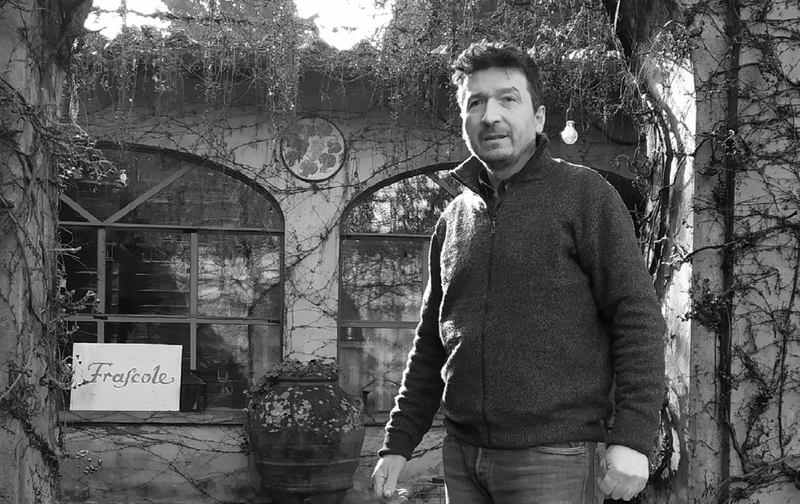
The vineyards rise roughly 300–500 metres above sea level. The Lippi and Santoni families have run the estate since 1992, farming vineyards and olive groves organically.

Sangiovese remains central to the estate, but the bottles we currently carry show another side of Frascole.

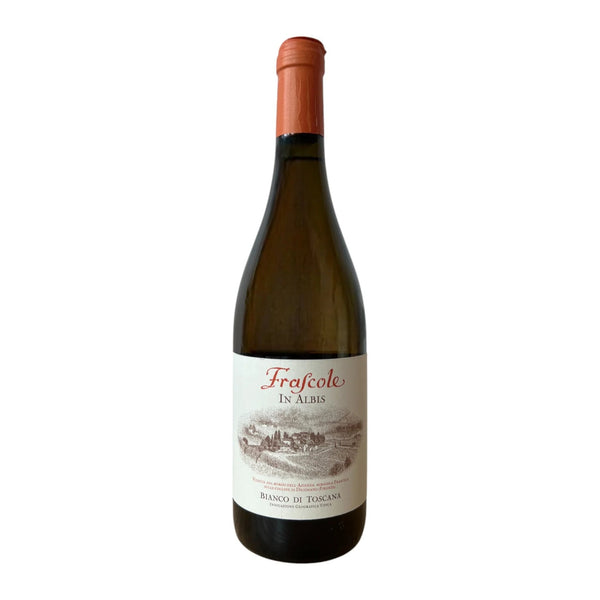
In Albis is Trebbiano Toscano with just a short time on the skins, followed by long ageing in glass-lined cement. It sits somewhere between a serious white and a very light orange wine.

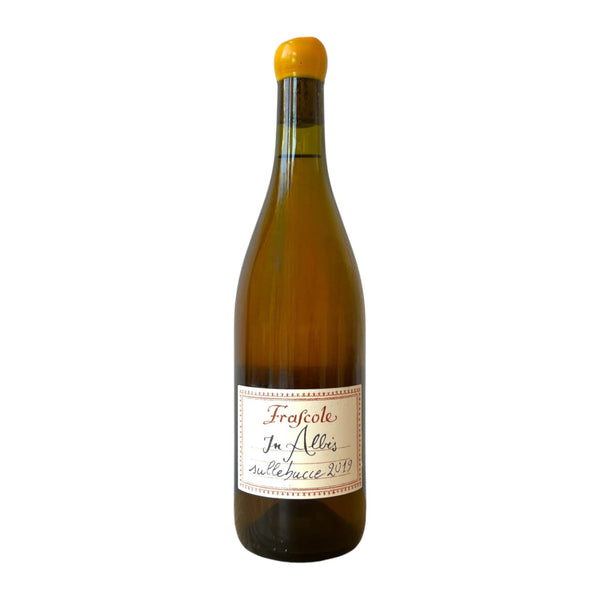
In Albis sulle bucce takes the same grape much further: 45 days on the skins and at least two years of ageing create more tannin, earthiness and structure.

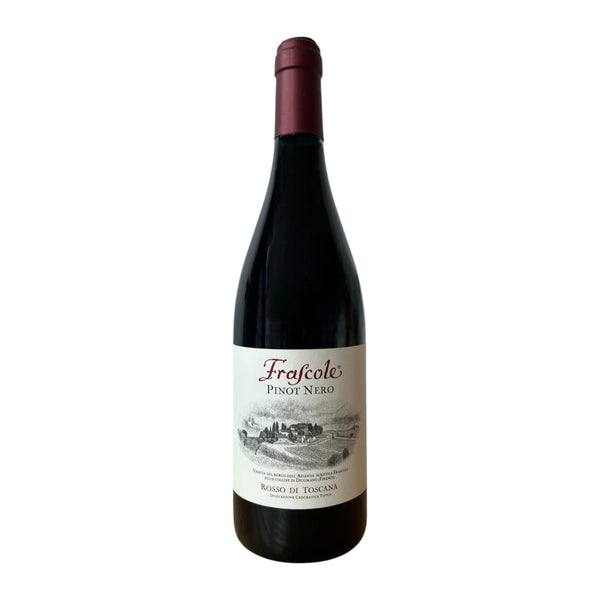
Then there is Pinot Nero — not the grape most people associate with Tuscany, but one that makes sense in these cooler hills. Floral, bright and restrained rather than heavy.

Same estate. Three ways to rethink Tuscany.

Frascole

Tuscany at the Hong Kong table

Don’t start with the word “Tuscany”. Start with the bottle.

Precise, structured whites

Steamed fish, roast chicken, clams, mushroom dishes and seafood with a little more seasoning.

Skin-contact Trebbiano

Roast goose, soy chicken, mushrooms, richer seafood and fermented flavours.

Elegant reds

Char siu, roast duck, grilled vegetables, poultry and mushroom risotto.

Classic structured Sangiovese styles

Beef, lamb, tomato-based dishes and slow-cooked meat.

Tuscan wine doesn’t always need a bistecca beside it.

Meet our Tuscany grower

Frascole

Frascole

High in the cooler hills of Chianti Rufina, Frascole makes organic Tuscan wine at a slower pace — including a Vinsanto that takes more than ten years before it is ready.

Start with a bottle

Our Tuscany selection is small, but the three bottles make a useful set.