All wine regions

· Northeast Italy

Veneto

From volcanic whites to reds you can chill.

Veneto is home to some of Italy’s most familiar wine names, but our bottles tell a slightly different story.

Around Soave, old Garganega vines grow on volcanic basalt and can become anything from crisp pét-nat to textured orange wine. Closer to Verona and Valpolicella, local red grapes such as Corvina, Corvinone and Rondinella don’t always have to become big, powerful wines — they can be fresh, juicy and very easy to drink.

Two areas. Two growers. Plenty of ways into Veneto.

Piemonte Valle d'Aosta/Vallée d'Aoste Liguria Lombardia Trentino-Alto Adige/Südtirol Veneto Friuli-Venezia Giulia Emilia-Romagna Marche Toscana Umbria Lazio Campania Abruzzo Molise Puglia Basilicata Calabria Sicilia Sardegna

Veneto in 30 seconds

THE GRAPES

Garganega on one side, local reds on the other.

Garganega is the grape to know around Soave.

Move toward Verona and Valpolicella and the local vocabulary changes to Corvina, Corvinone, Rondinella and Molinara — grapes traditionally used together, but capable of very different expressions.

THE PLACE

Volcanic hills, limestone and changing altitude.

Veneto’s wine landscape is far from uniform.

Around Soave, volcanic basalt plays an important role. Further west around Verona and Valpolicella, vineyards spread across hills, valleys and limestone-influenced terrain, with altitude and exposure changing from site to site.

IN THE GLASS

Tradition doesn’t have to taste traditional.

Garganega can be lean and mineral, cloudy and textured, sparkling or deeply skin-contact.

The local reds can range from light, bright and chillable to richer, more structured styles.

Same region. Very different bottles.

Two places, two sides of Veneto

01

Soave · Fittà

Cantina Martinelli works just two hectares of vineyards in Fittà, high in the hills of Soave.

Their east-facing Garganega vines sit around 350 metres above sea level on volcanic basalt. Some of the oldest parcels were planted in the 1950s and early 1960s.

Rather than making one expression of Garganega, Martinelli keeps pushing the grape in different directions.

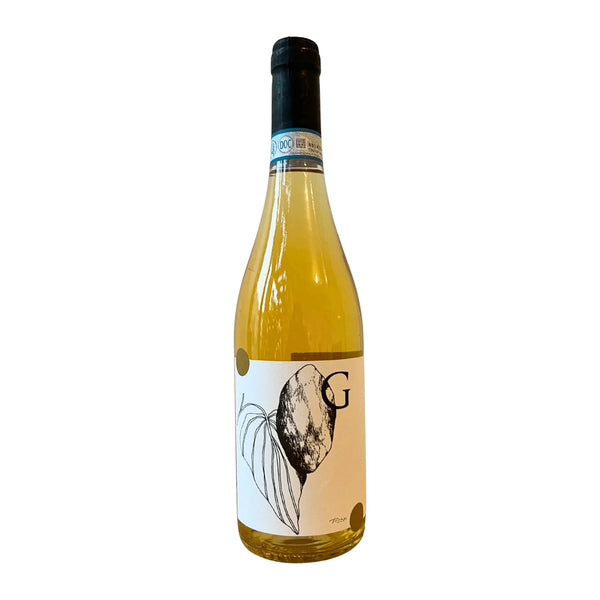
Gargantua is the cleanest introduction: fresh acidity, savoury minerality and enough texture to keep things interesting.

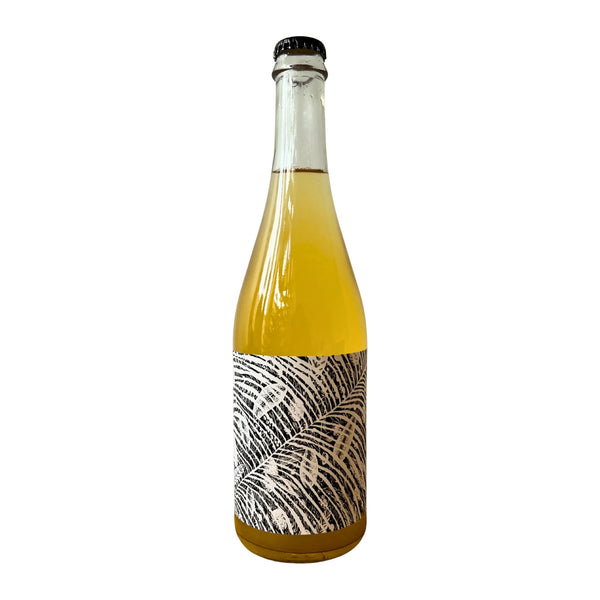
Leviatano adds gentle bottle-fermented bubbles.

Pantagruele comes from older vines and spends extended time on its lees for a rounder, slower style.

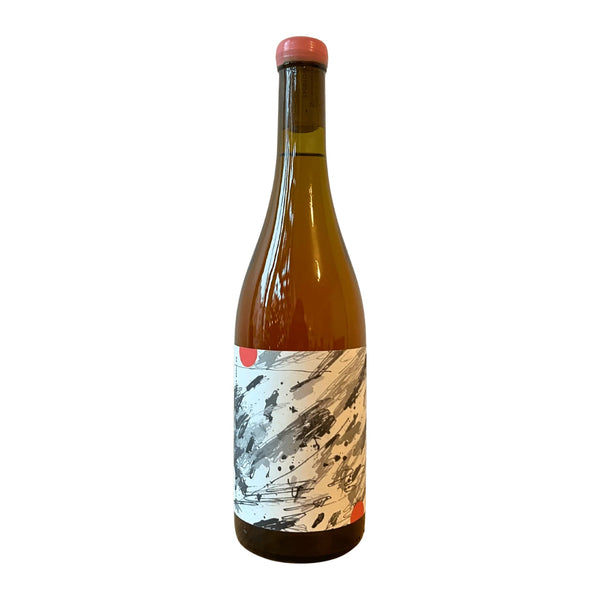
Then there is Neanderthal — long skin contact and amphora take Garganega firmly into structured orange-wine territory.

One grape is enough to make the point: place matters, but winemaking changes everything.

Cantina Martinelli 
02

Verona & the Valpolicella hills

Terre di Pietra began in 2007 in a small garage in the hills of upper Valpolicella.

Today the winery works individual vineyards separately, focusing on the character of each site rather than forcing every bottle into one house style.

Here, the familiar local red grapes — Corvina, Corvinone, Rondinella and Molinara — can look very different from the heavy Veneto red people sometimes expect.

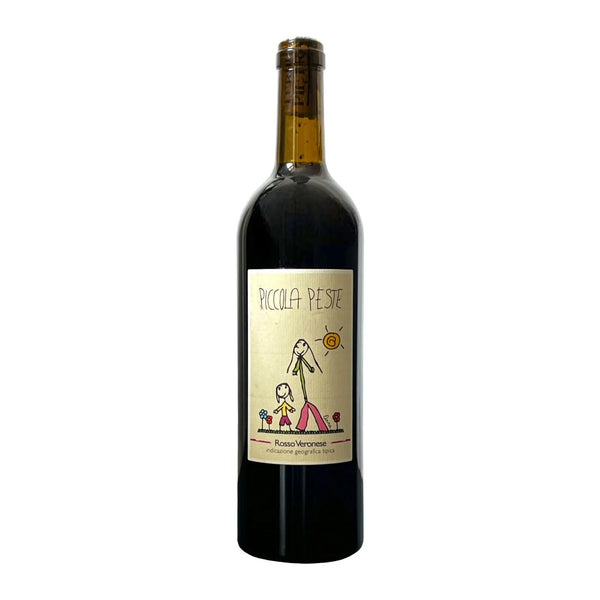
Piccola Peste is bright, fresh and easy to chill.

Tempesta keeps the same local grape family soft, juicy and direct.

Other vineyards can produce deeper, more structured expressions.

The lesson is simple: Valpolicella grapes don’t only have one setting.

Terre di Pietra

Veneto at the Hong Kong table

Forget whether the bottle is “traditional Veneto” for a moment. Start with how it drinks.

Crisp Garganega

Oysters, steamed fish, tempura, clams and garlic seafood.

Pét-nat & cloudy whites

Fried seafood, dim sum, fried chicken and salty snacks.

Skin-contact Garganega

Roast chicken, mushrooms, richer seafood and dishes with fermented or savoury flavours.

Light & chillable reds

Char siu, roast duck, pizza, grilled pork and casual BBQ.

More structured reds

Beef, lamb, braised dishes and slow-cooked meats.

Veneto can go from aperitivo to dinner without changing region.

Meet our Veneto growers

Cantina Martinelli 

Cantina Martinelli 

Cantina Martinelli works old Garganega plots on volcanic basalt in Soave, including parcels planted between 1953 and 1961. Tiny scale, but not unnoticed: Pantagruele 2017 earned 92 points and Editors’ Choice from Wine Enthusiast, while Il Gigante Gargantua 2022 scored 91 points.
Terre di Pietra

Terre di Pietra

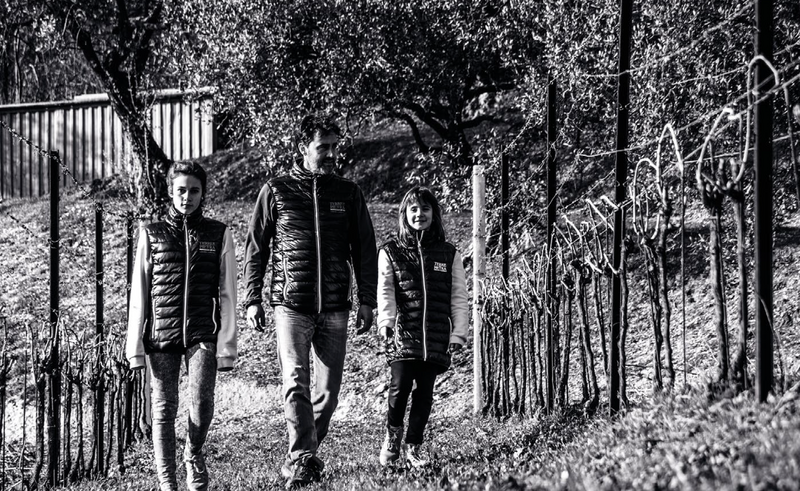
Terre di Pietra began in a garage in the hills of Valpolicella. Today Cristiano and daughters Anna and Alice carry on Laura’s project, with each vineyard vinified separately and Anna drawing the labels.

Start with a bottle

Two growers make choosing Veneto surprisingly easy.