All wine regions

· Northern Italy

Emilia-Romagna

Where bubbles belong at the table.

Emilia-Romagna is one of those places where sparkling wine never needed to become fancy.

Across the region, local grapes, bottle refermentation and everyday food have lived together for generations. Lambrusco may be the famous name, but our route also takes in Spergola, Malvasia di Candia Aromatica, Ortrugo and Trebbiano Romagnolo — made as everything from bright bubbles to skin-contact whites and structured reds.

The easiest way in? Open a bottle and put some food on the table.

Piemonte Valle d'Aosta/Vallée d'Aoste Liguria Lombardia Trentino-Alto Adige/Südtirol Veneto Friuli-Venezia Giulia Emilia-Romagna Marche Toscana Umbria Lazio Campania Abruzzo Molise Puglia Basilicata Calabria Sicilia Sardegna

Emilia-Romagna in 30 seconds

THE GRAPES

Much more than Lambrusco.

Lambrusco is a family of local grapes rather than one single variety. Around it you’ll also find Spergola, Malvasia di Candia Aromatica, Ortrugo, Trebbiano Romagnolo, Barbera and other grapes closely tied to different parts of the region.

THE PLACE

One region, very different landscapes.

Emilia-Romagna stretches across northern Italy from the Piacenza hills in the west to Romagna and the Adriatic side in the east.

Our growers sit mostly in the hills and Apennines, where altitude, clay, sand, wind and cooler mountain air create very different conditions from the plains below.

IN THE GLASS

Fizz is part of the culture.

Bottle-refermented wine is not a trend here. Gentle frizzante, sparkling reds and cloudy pét-nats sit naturally beside still whites, orange wines and reds.

The common thread is less about one flavour and more about wine made to be opened, shared and drunk with food.

Four places, four sides of Emilia-Romagna

01

Reggio Emilia Hills

Cinque Campi sits in the foothills around Quattro Castella, where the Nizzoli family has farmed for generations.

This is useful territory for understanding Emilia beyond the obvious. Alongside Lambrusco Grasparossa, they work with local grapes such as Spergola and Malbo Gentile.

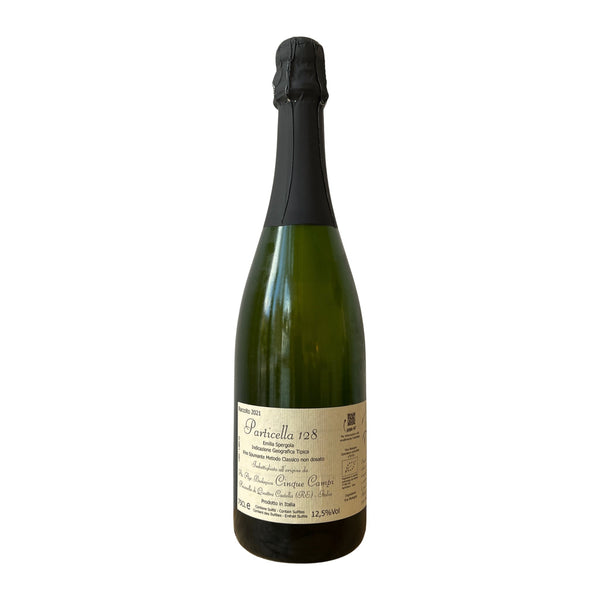
Particella 128 shows the elegant side of Spergola: floral, citrusy and bottle-fermented. Bora Lunga takes the same grape in a still, more textured direction.

One place, one local grape, two completely different bottles.

Cinque Campi
02

Colli Piacentini

Further west, the hills around Piacenza have their own wine language.

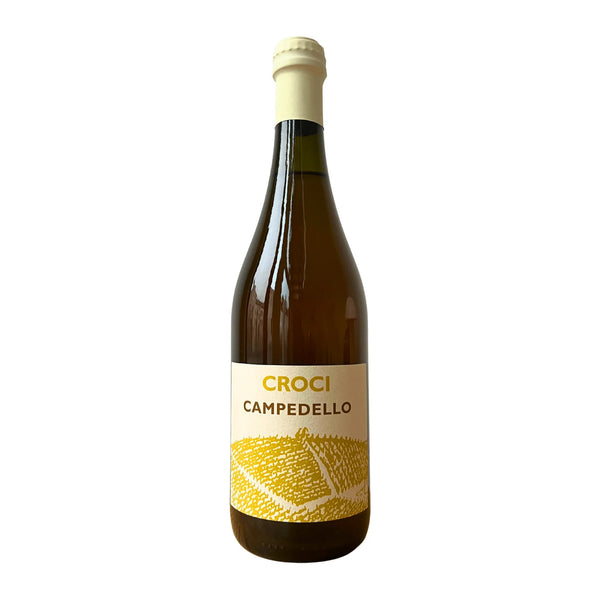
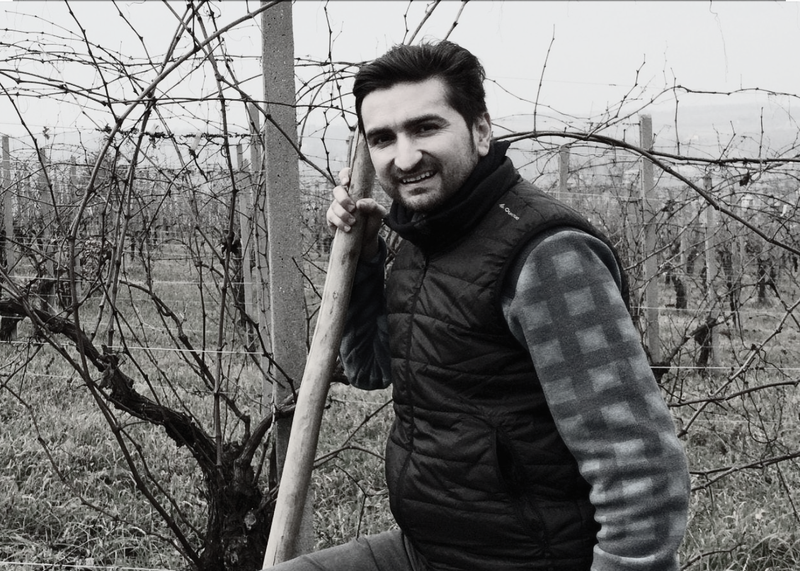
The Croci family has farmed the Monterosso hill since 1935. Massimiliano Croci continues the local tradition of skin contact, slow fermentation and refermentation in bottle, working with grapes including Malvasia di Candia Aromatica, Ortrugo, Trebbiano and Barbera.

Campedello captures the easy-going side: lightly fizzy, aromatic and made for a table full of food.

But Croci is not only about bubbles. ValTolla Bianco and ValTolla Rosso show the deeper, still side of the same place.

Croci
03

Piacenza Apennines

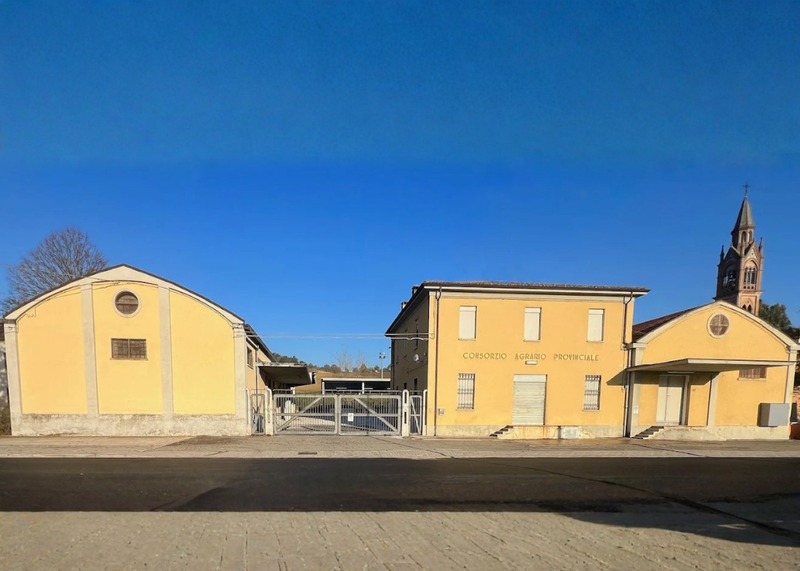
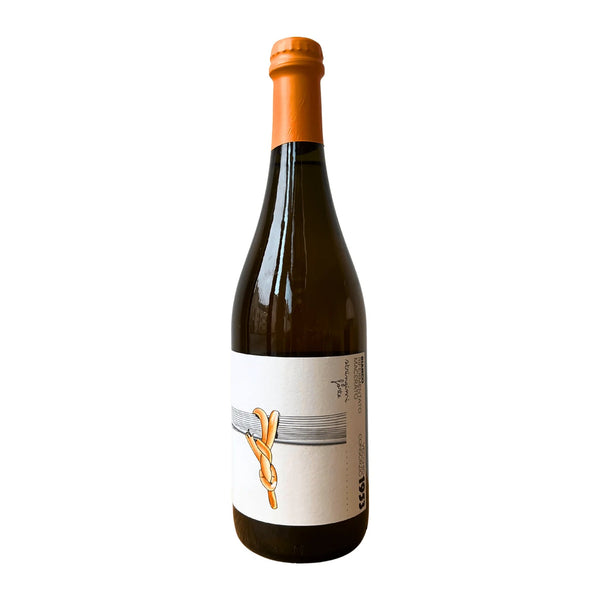
Vecchio Consorzio 1953 starts with a different question: what happens when local vineyards are no longer worth farming?

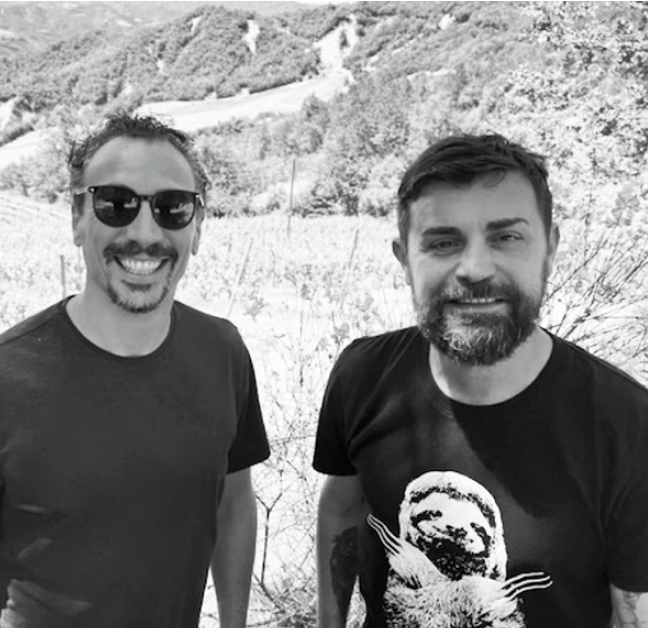
Massimiliano Croci and Pietro Gazzola created the project to buy organically farmed grapes from growers in the Colli Piacentini at prices intended to keep those vineyards in production.

The wines keep the local traditions alive too — indigenous yeasts, skin maceration and natural refermentation in bottle.

Stringimi Forte, a blend of Malvasia di Candia Aromatica, Trebbiano and Ortrugo, brings those ideas together in one hazy, lightly sparkling orange wine.

Vecchio Consorzio 1953
04

Predappio Alta

Move east into the Tuscan-Romagna Apennines and the landscape changes again.

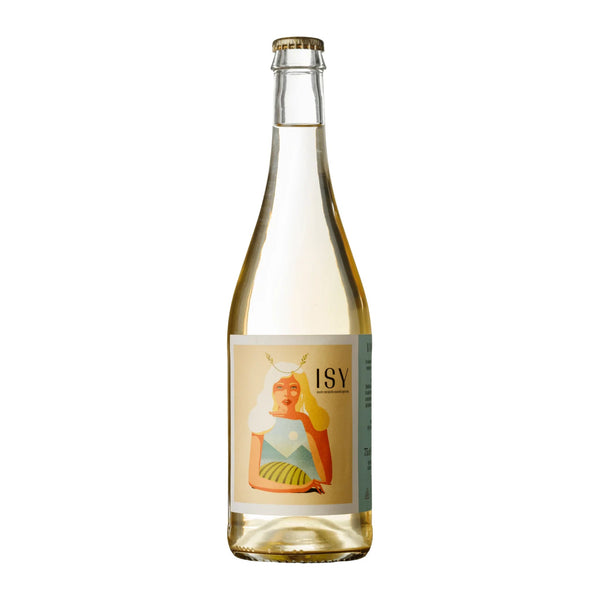
Monte Mirabello’s vineyards sit around 400–600 metres above sea level near Predappio Alta, where cooler mountain air helps keep freshness through warm summers.

Isy keeps things simple: Trebbiano Romagnolo, refermented in bottle, bright citrus, crisp acidity and a gentle bready note.

Easy to drink does not have to mean anonymous.

Monte Mirabello

Emilia-Romagna at the Hong Kong table

This is one of the easiest Italian regions to bring to a busy table.

Fresh bubbles

Fried chicken, salt-and-pepper squid, dim sum, seafood and salty snacks.

Aromatic & lightly sparkling

Char siu, roast goose, spicy dishes and anything with a little richness.

Skin-contact whites

Roast chicken, mushrooms, richer seafood and dishes with herbs or fermented flavours.

Sparkling or juicy reds

BBQ meats, pizza, char siu and grilled food.

Structured reds

Braised pork belly, beef and slower-cooked dishes.

Here, bubbles don’t need a special occasion. Dinner is enough.

Meet our Emilia-Romagna growers

Cinque Campi

Cinque Campi

More than 200 years of family vineyards, with a particular talent for fizz. Cinque Campi works with local Emilia grapes and makes everything from bottle-fermented Lambrusco to traditional-method Spergola.
Croci

Croci

The Croci family has farmed the Monterosso hill since 1935. Today Massimiliano keeps Piacenza’s old skin-contact and bottle-refermented wine traditions very much alive.
Vecchio Consorzio 1953

Vecchio Consorzio 1953

Massimiliano Croci and Pietro Gazzola built this winery for a practical reason: keep Piacenza’s disappearing vineyards worth farming.
Monte Mirabello

Monte Mirabello

High in the Tuscan-Romagna Apennines, Monte Mirabello makes wines shaped by mountain air, changing soils and a very simple rule: interfere as little as possible.

Start with a bottle

You could study Emilia-Romagna for a long time. Or you could start with these.

Isy - THE EARTH WINE

Isy

Monte Mirabello

HK$260.00 · Sold out